Home › Asphalt Milling and Reclamation
Prepare your site for new pavement with asphalt milling in Boston, MA. We profile existing surfaces, remove failed layers, and offer full-depth reclamation to stabilize bases before repaving.
Precision Asphalt Boston provides professional asphalt milling throughout Boston, MA, Massachusetts and the surrounding area. Our licensed, insured crew delivers safe, clean, on-time work with a free estimate before anything begins. Call (617) 648-5798 or request your free quote.
Asphalt Milling in Boston, Done With Local Streets in Mind
Asphalt milling is the process of grinding off the top layer of pavement so it can be replaced with a smooth, strong new surface. In Boston, with our mix of historic brick homes, triple-deckers, and tight commercial lots, milling is often the smartest way to fix worn or uneven pavement without rebuilding from the gravel base up.
Precision Asphalt Boston uses milling on driveways, parking lots, and private roads where the surface is cracked, rutted, or holding water but the underlying base is still structurally sound. Instead of tearing everything out, we remove only the depth that is damaged, then install a new asphalt layer that ties into existing curbs, garage thresholds, and sidewalk edges.
For local property owners, milling is a practical solution when you want to correct long-term patchwork, fix plow damage from harsh New England winters, or adjust grades to keep meltwater from draining toward foundations or basements. It typically costs less and takes less time than full reconstruction, and in many Boston neighborhoods it also helps keep finished pavement elevations where they should be beneath existing steps and doorways.
How Asphalt Milling Actually Works on Your Property
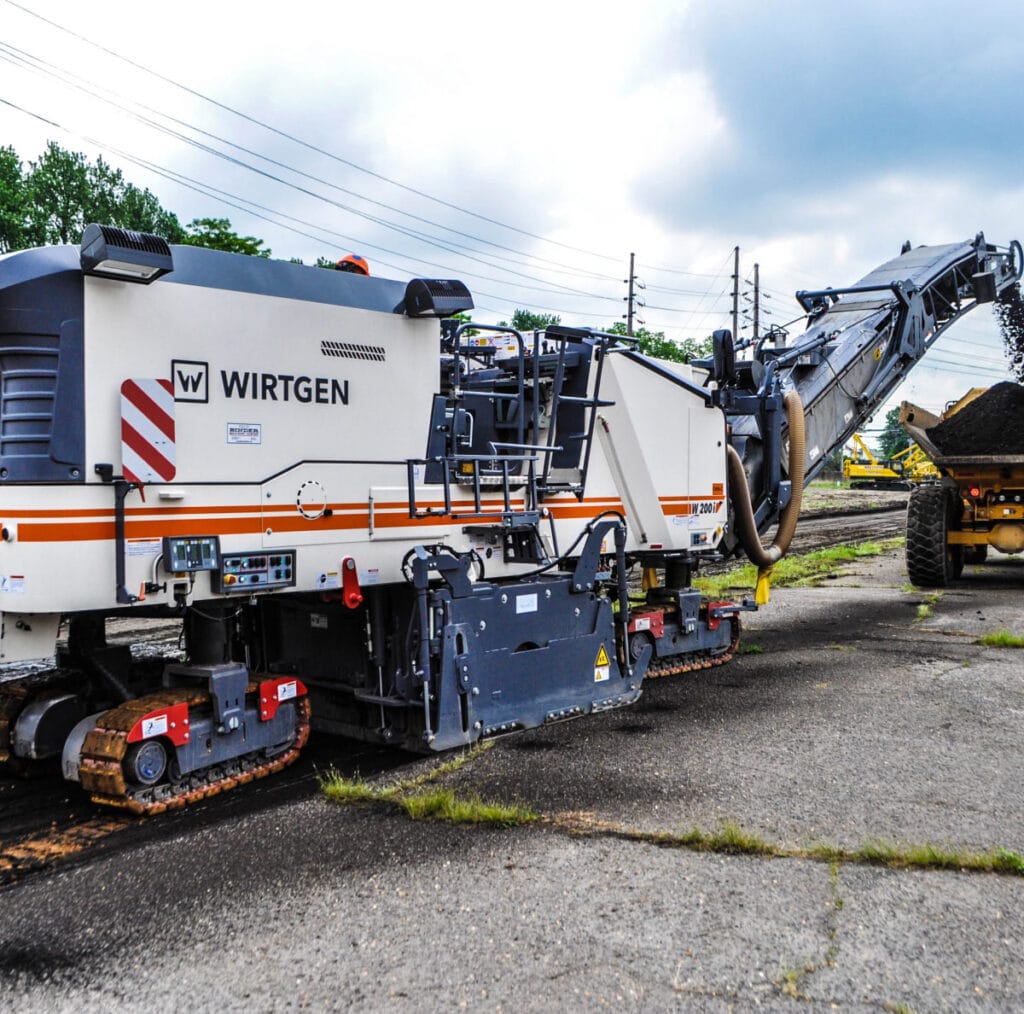
Asphalt milling is a controlled, mechanical process, not just scraping off the top. Our crew brings in a milling machine sized for your site: smaller units for tight South Boston or Dorchester driveways, larger units for shopping centers and condo complexes. The machine uses a rotating drum with hardened steel teeth that cuts the asphalt into small, reusable pieces.
We start by marking utilities and drainage features, then set a precise milling depth, often between 1 and 3 inches depending on the distress level and how much grade correction is needed. On older Boston properties, we often vary the depth across the site to eliminate puddle-prone low spots and relieve high spots near transitions or doorways.
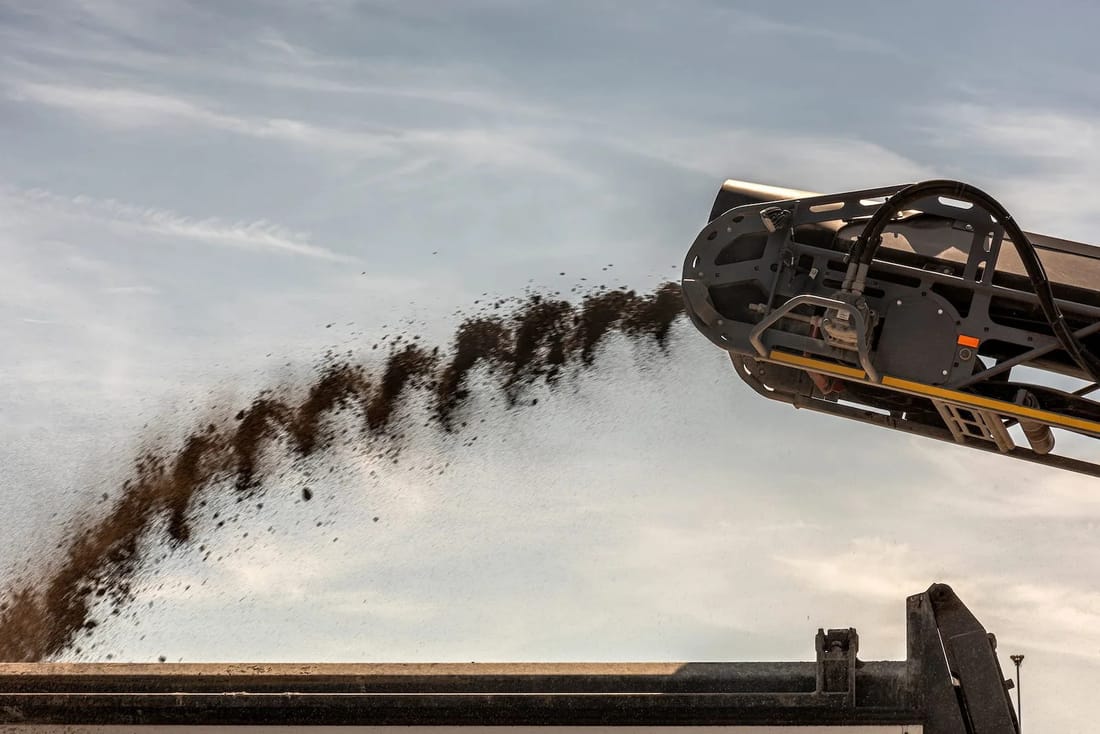
As the machine moves forward, a conveyor loads the milled asphalt directly into waiting trucks. We sweep and blow the milled surface clean, inspect the base for soft or pumping spots, and repair any localized base failures before paving. These steps are crucial on properties with fill or old cobblestone remnants under the asphalt, which are common in parts of Jamaica Plain, Roxbury, and East Boston.
Finally, we apply a tack coat that helps the new asphalt bond tightly to the milled surface and then place and compact the new asphalt layer with rollers sized for the job. The result is a smooth, well-bonded surface that behaves like new pavement but uses much of the structure that is already in place.
Full-Depth Reclamation for Failing Pavement
When pavement is cracked all the way through or the base is unstable, asphalt milling alone is not enough. That is when full-depth reclamation becomes the right approach. Instead of just shaving the surface, reclamation pulverizes the existing asphalt and some of the underlying base together to create a new, stabilized foundation.
On Boston sites where the pavement has heaved from freeze-thaw cycles, settled over old utility trenches, or been patched repeatedly over decades, we bring in reclamation equipment that grinds 6 to 12 inches deep. The existing asphalt and base material are blended in place, sometimes with added stone or stabilizers, then graded and compacted to create a strong, uniform base layer.
Reclamation is especially useful for long private lanes in West Roxbury or Roslindale, older commercial lots in industrial sections, and condominium access roads where starting from scratch would be cost prohibitive. Because much of the existing material stays on site rather than being hauled away, you reduce trucking costs and project time.
Once the reclaimed base has been shaped with a motor grader and compacted to the proper density, we place new asphalt in one or more lifts. This creates a full-depth, modern pavement structure that can handle delivery trucks, emergency vehicles, and snowplows without the weaknesses that were built into the original surface decades ago.
What Drives the Cost of Asphalt Milling and Reclamation in Boston
Pricing for asphalt milling and reclamation across Boston and nearby Massachusetts cities is driven by site-specific conditions rather than simple square-foot formulas. At Precision Asphalt Boston, we walk each property to understand the existing pavement thickness, base condition, access for machinery, and drainage patterns before finalizing a proposal.
Depth of milling is a key cost factor. A light 1-inch skim to remove surface raveling on a small driveway will cost less per square foot than a 3-inch milling on a supermarket or multifamily lot. Reclamation costs usually rise with the required depth and whether we need to import additional stone to correct a poor or wet subgrade.
Access and layout matter in Boston. Tight alleys, limited staging areas, overhead wires, and limited truck access can slow production, which affects labor and equipment time. Multi-phase work at active sites, such as occupied apartment complexes or busy medical offices, can add cost because we must keep sections open, adjust schedules around deliveries, and coordinate with tenants or staff.
Drainage corrections, curb resets, utility adjustments, and base repairs are additional variables. Many older Boston driveways and parking lots slope toward buildings or have catch basins set at the wrong height. Correcting those issues during milling or reclamation is often the best time to solve chronic icing or flooding, but it requires skilled layout, laser grading, and in some cases masonry work around drains or granite curbing.
Common Pavement Problems We Solve With Milling
New England weather and Boston traffic patterns create some predictable pavement issues that asphalt milling can resolve effectively. One typical condition is reflective cracking, where old cracks and joints in a previously patched surface mirror through a newer overlay. By milling down to a sound layer, placing a bonding tack coat, and installing the right thickness of new asphalt, we reduce the chance those cracks will return prematurely.
Another frequent issue is ponding water in low spots. We see this near garage doors in older triple-decker driveways, at entrances to parking garages under mid-rise buildings, and in dips where previous patches were placed without attention to slope. During milling, we take shot elevations, adjust milling depths locally, and regrade to establish positive drainage toward the street or catch basins.
Rutted wheel paths from delivery trucks, oil delivery vehicles, and garbage trucks are also common on narrow Boston streets and alleys. Milling lets us remove that deformed material and often strengthen those lanes with a slightly thicker or different asphalt mix to resist further rutting.
For lots that have been resurfaced multiple times over decades, elevation creep becomes a concern, where the pavement surface ends up higher than door thresholds, steps, and curbs. Careful milling reverses that creep, bringing the surface back down to appropriate heights while still leaving enough structure to support the new asphalt layer.
Planning Your Milling or Reclamation Project in Boston
Most property owners do this type of work only a few times in a building's life cycle, so having a clear plan and realistic expectations helps. Precision Asphalt Boston starts with a site meeting to understand how you use the space: peak parking hours, delivery patterns, trash pickup, and emergency access. This is especially important for mixed-use buildings, schools, and medical practices in Boston where disruption must be minimal.
We help you review whether asphalt milling or full-depth reclamation makes more sense. If the pavement is mainly surface cracked with a solid base, we lean toward milling. If you have alligator cracking, pumping water through cracks, or evidence that the base was never properly built, we discuss reclamation and explain how it will affect schedule and cost.
For condominium associations and commercial owners, we often create a phasing plan so portions of the lot remain open, using clear signage, temporary striping, and safe pedestrian routes. On tight residential streets, we coordinate with neighbors, arrange for on-street parking adjustments where possible, and provide clear start and finish times.
Before work starts, we review how snow operations, oil deliveries, moving trucks, and dumpsters will interact with the new surface. For example, in areas with frequent dumpster swaps, we may suggest thicker asphalt or reinforced pads. Thinking about these details ahead of time helps extend the life of your new pavement and protect your investment.
Why Choose Precision Asphalt Boston for Milling and Reclamation
Local knowledge is crucial when you are altering the structure and grade of pavement. Our crews work every season in Boston and surrounding Massachusetts communities, so we understand local soils, typical base failures, and how freeze-thaw cycles, plowing practices, and deicing salts affect different asphalt mixes.
We own and operate the milling and reclamation equipment instead of subcontracting it, which means better scheduling control and consistent workmanship. Our operators are trained to adjust drum speeds, depths, and patterns to match each site, whether we are working in a Beacon Hill courtyard or a large Dorchester commercial lot.
Precision Asphalt Boston also emphasizes recycling. The milled asphalt from your site is typically hauled to a local plant to be processed into recycled asphalt pavement (RAP), which goes back into new mixes. On reclamation jobs, much of your existing material becomes part of the new base, reducing truck trips through your neighborhood and lowering environmental impact.
Most importantly, we take the time to explain what we propose and why. You will know the planned milling depths, how we will handle drainage changes, what base improvements are included, and how long each phase will take. Our goal is to leave you with a surface that drains correctly, holds up to real Boston traffic and weather, and fits the character and constraints of your specific property.