Home › Asphalt Resurfacing & Overlays
Extend the life of your driveway with professional asphalt resurfacing in Boston, MA. We repair minor damage, then apply a smooth overlay that restores appearance and performance without the cost of full replacement.
Precision Asphalt Boston provides professional asphalt resurfacing throughout Boston, MA, Massachusetts and the surrounding area. Our licensed, insured crew delivers safe, clean, on-time work with a free estimate before anything begins. Call (617) 648-5798 or request your free quote.
Asphalt Resurfacing & Overlays in Boston, MA
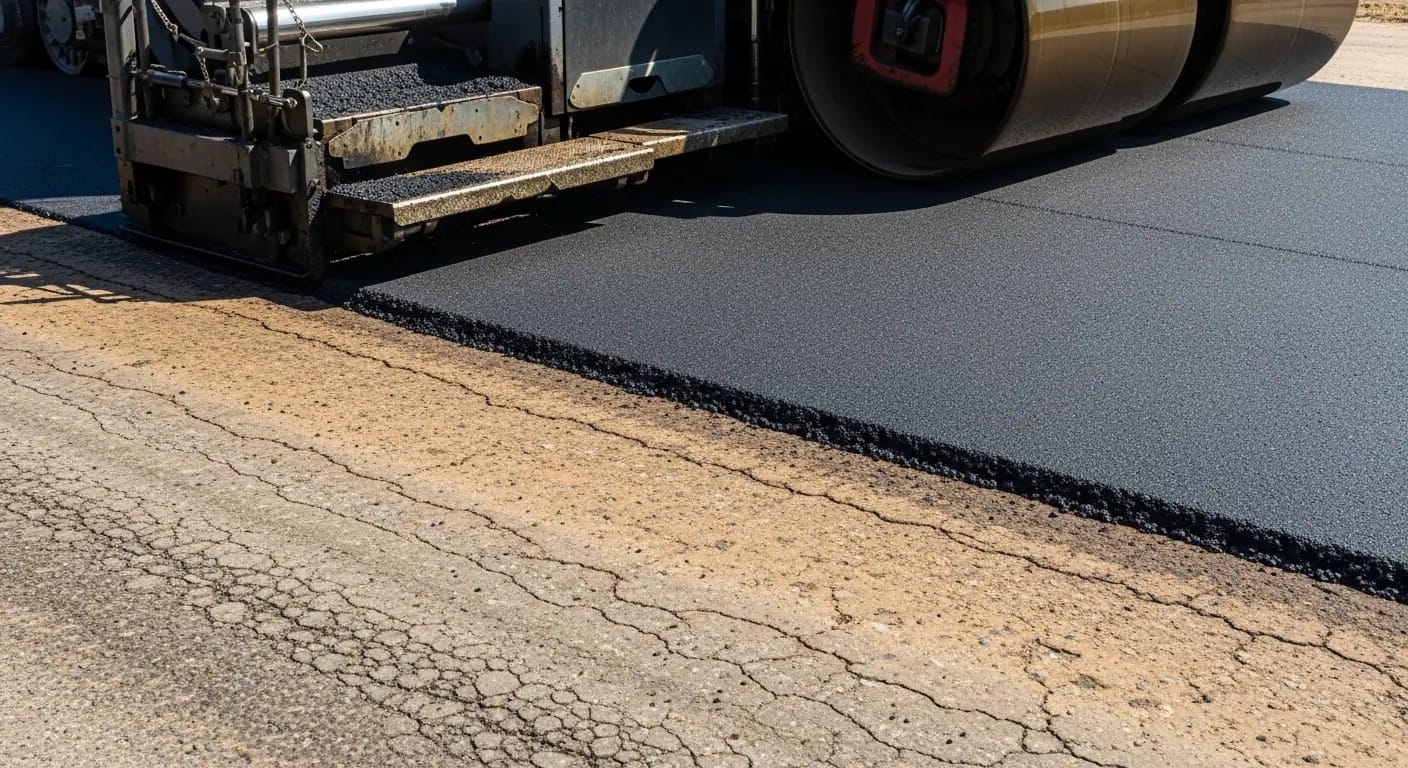
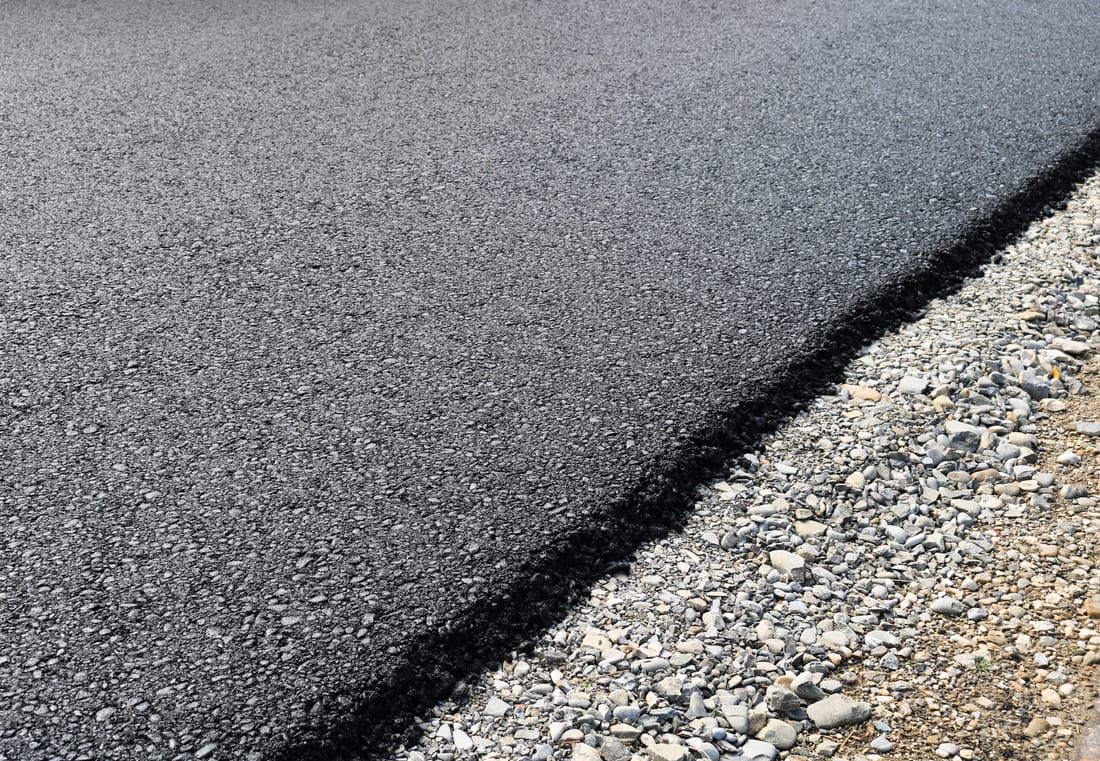
Asphalt resurfacing is often the smartest way to restore a worn parking lot or driveway in Boston without paying for a full tear out. Instead of removing every inch of pavement, Precision Asphalt Boston installs a new asphalt layer over the existing base, correcting problems and extending the life of your pavement by 10 to 15 years when conditions are right.
On this page, we are talking specifically about resurfacing and overlays, not sealcoating. Sealcoating is a thin protective coating, while resurfacing adds a new structural layer of asphalt, usually 1.5 to 3 inches thick. If your surface has widespread cracking, rutting, or standing water but the base is still stable, asphalt resurfacing is usually the best value.
In Boston, with freeze thaw cycles, salt use in winter, and heavy traffic on tight urban lots, resurfacing must be done with careful preparation and grading. Precision Asphalt Boston evaluates each site in person so you know whether resurfacing is appropriate or if a partial or full reconstruction makes more sense for your property and budget.
How We Evaluate If Your Pavement Is a Good Candidate
Not every paved surface can be rescued with an overlay. Before we quote any asphalt resurfacing work, Precision Asphalt Boston performs a structured inspection:
• Sub-base stability test: We look for soft spots, pumping (movement when heavy vehicles turn), and prior trench patches. Areas that flex or move usually need sawcutting and full-depth replacement before an overlay.
• Crack mapping: We classify cracks as surface, fatigue (alligator), or structural. Light to moderate alligator cracking can sometimes be milled out and patched, but if it covers large areas, we will recommend deeper repairs.
• Drainage assessment: Boston properties often have minimal pitch and older cast iron catch basins. We check slopes with a level or laser, inspect all drains, and identify low spots where water ponds or freezes. Resurfacing is our opportunity to correct these grades.
• Edge conditions: Along sidewalks, granite curbs, building entrances, and garage thresholds, we confirm that a new overlay will not create trip hazards or water running into doorways. In some Back Bay and South End locations with strict curb elevations, we may mill more heavily along the edges to maintain exact heights.
You will receive a written proposal that spells out which sections can be resurfaced as is, which need milling, and where full-depth replacement is required. This prevents the common industry problem of contractors throwing a blanket overlay on a failing base, only for cracks to return within a couple of winters.
Step-by-Step Asphalt Resurfacing Process
Precision Asphalt Boston follows a detailed resurfacing process designed for New England conditions:
1. Preparation and cleaning. We start with a thorough sweep or mechanical broom to remove sand, leaves, and loose aggregate. In tight urban lots, we often use smaller sweepers and hand brooms around parked cars, utility structures, and curbs.
2. Milling and transitions. If elevations need to stay the same at street tie-ins, garage entries, and ADA ramps, we use a cold planer to mill off 1 to 2 inches of existing asphalt in those locations. This allows room for the new overlay while keeping manholes, catch basins, and curbs at the correct height.
3. Full-depth spot repairs. Soft or badly cracked areas are sawcut, excavated to the aggregate base, and rebuilt with new base stone and base course asphalt. This is critical in Boston where frost heave and old utility trenches create hidden weak spots.
4. Crack and pothole treatment. Wider cracks are cleaned and filled with hot rubberized crack filler. Potholes are squared off, tacked, and patched with hot mix asphalt flush with the existing surface. This reduces reflection cracking through the new overlay.
5. Tack coat application. We apply a uniform tack coat of asphalt emulsion to bond the existing pavement to the new overlay. In shady or cooler areas, we control the application rate so the tack remains active when paving begins.
6. Placing the overlay. Your new asphalt layer is installed in one or more lifts depending on design thickness. We run vibratory steel drum rollers, pneumatic tire rollers, and smaller compactors along joints and edges to achieve consistent density. For steep Boston driveways, we may adjust mix temperature and rolling pattern so the surface is tight but not scuffed.
7. Joints, edges, and cleanup. We pay special attention to longitudinal joints, drains, and building interfaces, sealing edges as needed. The area is cleaned, temporary barriers are set to keep vehicles off the fresh asphalt, and then we return for final striping once the surface has cooled.
Overlay Options, Thickness, and Materials
Resurfacing is not one size fits all. Precision Asphalt Boston designs each overlay based on traffic, base condition, and site constraints.
Typical overlay thicknesses:
• Residential driveways: 1.5 to 2 inches of compacted asphalt.
• Light duty commercial lots: 1.5 to 2.5 inches, often with thicker sections at dumpsters and delivery routes.
• Heavy duty or frequent truck traffic areas: 2.5 to 3 inches, with strengthened base or localized base reconstruction.
Mix designs: In Massachusetts, asphalt plants follow MassDOT mix standards. For overlays we typically use dense graded hot mix with a performance grade binder suitable for our freeze thaw climate. On steep slopes or heavily shaded areas, we can specify mixes with improved skid resistance.
Reinforcement and fabrics: In locations with chronic reflective cracking but where the base still has value, we may recommend a paving fabric or grid between old and new asphalt. This is common on older commercial lots in Dorchester, Quincy, and surrounding towns where budgets favor a strong overlay rather than full reconstruction.
Surface texture and appearance: For residential customers, we balance structural needs with a smooth, finished look at the street, garage, and walkways. For commercial lots, we optimize for drainage, skid resistance, and visibility of striping, which can be applied within 24 hours in warm, dry conditions or slightly longer in cool weather.
What Drives Asphalt Resurfacing Cost in Boston
Homeowners and facility managers often ask why two lots of similar size can have very different pricing. Key cost drivers for asphalt resurfacing in the Boston area include:
• Base condition and patching: A lot that needs 10 full-depth patches will cost more than one that needs only minor milling and crack filling. We separate these line items so you see exactly where your money goes.
• Access and logistics: Tight North End or South Boston lots with limited truck access, low clearances, or difficult staging areas require more labor and smaller equipment. Conversely, open sites in industrial areas are more efficient to pave.
• Milling and elevation work: Where we must mill around many manholes, water shut offs, and catch basins, labor and machine time increase. Boston and surrounding towns also sometimes require iron casting adjustments, which add cost.
• Overlay thickness and mix: A thicker overlay means more tons of asphalt. If your lot has heavy trucks, dumpsters, or bus traffic, we design a thicker, more durable section, which is more expensive upfront but reduces long term repairs.
• Striping and compliance markings: ADA stalls, crosswalks, stop bars, and fire lane markings required by local code will affect final project cost.
Precision Asphalt Boston provides clear, itemized estimates so you can compare an overlay to alternatives like limited patching or full reconstruction and understand the life cycle cost, not just the day one price.
Local Codes, Permits, and Seasonal Timing
Boston and many surrounding municipalities have specific expectations for paving work that affects how resurfacing is scheduled and performed.
Permits: For commercial lots and any work that affects a public way, you may need a street occupancy or contractor permit. When resurfacing extends to the sidewalk or apron at the street, the city can require certain grades or curb alignments. Precision Asphalt Boston coordinates with local departments and, when needed, provides site sketches or plans to satisfy permit requirements.
Drainage and environmental rules: Boston is sensitive to stormwater management, especially near the harbor and Charles River. We evaluate where water will flow after resurfacing to avoid creating runoff toward neighboring properties or city sidewalks. If your lot ties into a municipal catch basin, we ensure grates remain accessible and unobstructed by the new overlay.
Seasonal considerations: In Massachusetts, asphalt resurfacing is typically performed from April through November, depending on temperature. For durable bonding and compaction, we prefer ground and air temperatures above about 45 degrees and falling moisture. For busy commercial sites like retail centers or medical offices, we often pave in off hours or weekends and stage the work so portions of the lot remain open.
HOA and architectural rules: In some condos and planned communities, boards have requirements for color uniformity, elevation relative to sidewalks, and phasing so residents still have parking. We are used to meeting with boards, explaining the scope, and planning resurfacing to minimize disruption.
How to Know If Resurfacing Is Right for You
If you see widespread cracking, surface raveling, and recurring potholes but the pavement still feels solid under heavy vehicles, your property is a strong candidate for asphalt resurfacing. Typically, lots that are 15 to 25 years old with decent base support benefit most from an overlay versus total replacement.
Resurfacing may be the right choice if:
• You have multiple problem areas but repairs are starting to blend together and look patchy.
• Water stands in a few low spots that could be corrected by reshaping the surface.
• You want to refresh striping, ADA compliance, and curb appeal in one coordinated project.
On the other hand, if you see deep structural cracks that travel through the full depth of the pavement, large areas that move under load, or ongoing drainage issues that originate from sub-base problems, we will likely recommend more extensive reconstruction in those zones before overlaying. Installing an overlay on a failing base only hides the symptoms for a short time.
Precision Asphalt Boston is happy to walk your site, mark problem areas, and discuss a phased plan. In some cases, we combine full-depth reconstruction in the worst traffic lanes with resurfacing over the remainder so you get the best balance of cost and longevity.
If you are considering asphalt resurfacing, the most important first step is an honest evaluation. We will explain what we see in plain language and provide options, so you can choose a solution that fits your property, budget, and timeline.