Home › Commercial Gravel-to-Asphalt Conversions
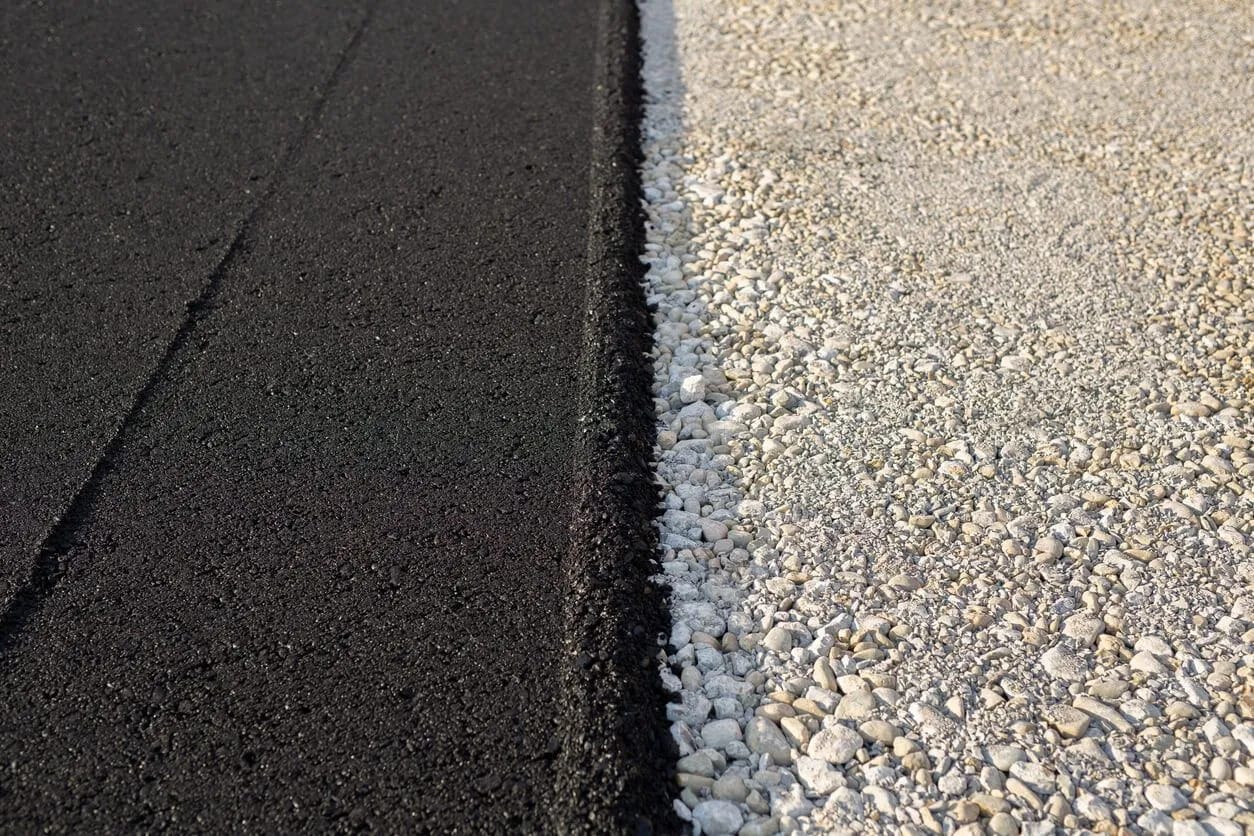
Upgrade rough gravel surfaces with commercial gravel to asphalt conversions in Boston, MA. We regrade, compact, and pave lots and access roads to create clean, low-maintenance asphalt areas.
Precision Asphalt Boston provides professional commercial gravel to asphalt throughout Boston, MA, Massachusetts and the surrounding area. Our licensed, insured crew delivers safe, clean, on-time work with a free estimate before anything begins. Call (617) 648-5798 or request your free quote.
Turn Your Gravel Lot Into a Professional Asphalt Surface
If your commercial property in Boston still has a gravel parking lot or access road, you are probably dealing with dust, mud, potholes, and irritated tenants or customers. Commercial gravel to asphalt conversions give you a cleaner, safer, and more professional looking surface that also holds up better to New England weather.
Precision Asphalt Boston focuses specifically on taking existing gravel or crushed stone areas and converting them into engineered asphalt pavements that meet commercial use demands. We understand how Massachusetts freeze and thaw cycles, municipal drainage rules, and heavy snow removal equipment affect a paved surface, and we design your new asphalt lot with those real conditions in mind.
Whether you manage a retail plaza in Dorchester, a warehouse in Everett, or a small office building in Jamaica Plain, we treat your gravel to asphalt project as a long term investment, not a quick overlay. That starts with a detailed site assessment so we know what is under your gravel and how your property is actually used from day to day.
Step 1: Site Evaluation and Planning for Boston Conditions
A successful commercial gravel to asphalt conversion starts long before the first truck shows up. Our estimator visits your site to document how the lot is used, traffic patterns, and problem areas like standing water or rutted drive lanes. We look at what type of gravel you have, how thick it is, and whether it has compacted over the years or is still loose.
In Boston, stormwater management is a real concern. We review existing drainage, catch basins, and slope to see if the new asphalt will push water toward doorways, neighboring properties, or city sidewalks. If needed, we recommend new swales, added basins, or subtle regrading so water moves to the right place and does not pool and freeze in winter.
During planning we also confirm required pavement thickness based on your traffic. A delivery dock with frequent box trucks or tractor trailers needs a different build than a small office lot with passenger cars only. Precision Asphalt Boston designs the section (base and asphalt thickness) to match how the pavement will actually be used, which is one of the most important factors in long term performance and cost control.
Step 2: Grading, Sub‑base Proofing, and Soil Corrections
Once a plan is in place, we start by shaping your existing gravel. Our grading crew uses laser-guided equipment where access allows, or smaller machines in tight Boston lots, to create the correct slopes for drainage and smooth traffic flow. We correct low spots that tend to hold water and knock down high areas that would cause puddles or speed bumps in the final asphalt.
Under the gravel is your subgrade soil, which in the Boston area is often a mix of fill, clay, and occasionally ledge. We test bearing capacity by proof rolling, which means we drive a loaded truck over the area and watch for deflection or pumping. Soft areas are dug out and replaced with compacted crushed stone so they do not turn into future sinkholes or alligator cracking.
Compaction is nonnegotiable on a gravel to asphalt conversion. We compact the existing gravel in lifts so it locks together into a dense base. If the current gravel is too thin, contaminated with topsoil, or contains large stones that will punch through, we import the right base material and install it to a specified depth. Addressing these issues before paving is one of the most cost effective ways to extend the life of your new commercial asphalt surface.
Step 3: Asphalt Installation, Mix Choices, and Thickness
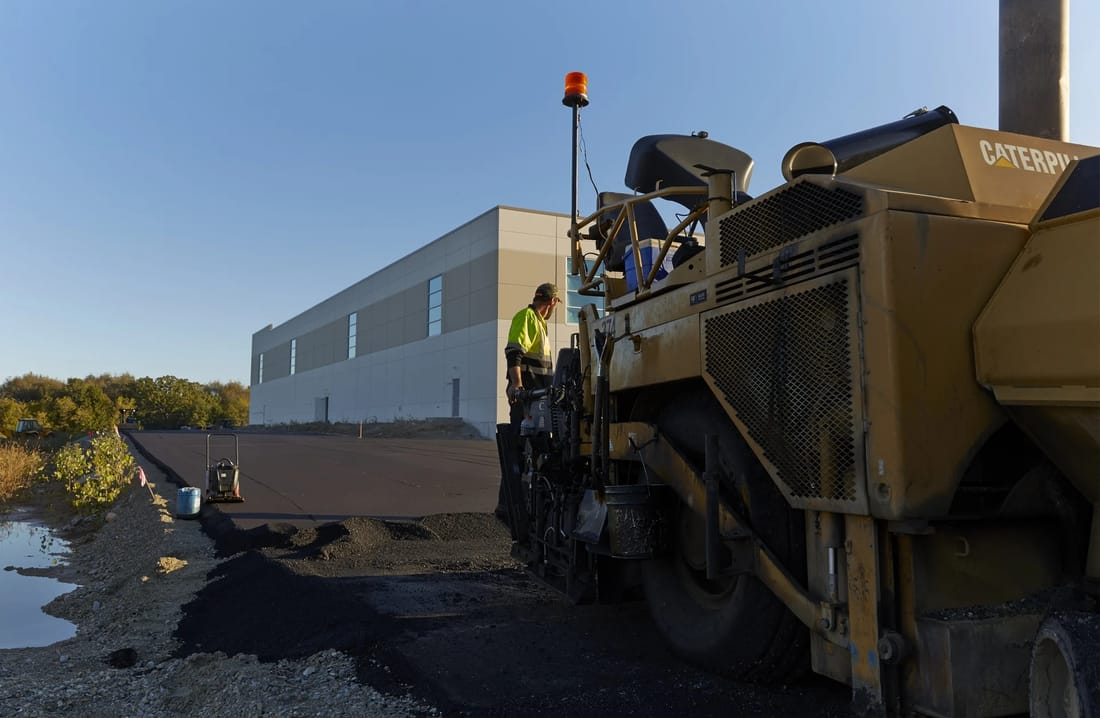
With a stable, graded base in place, Precision Asphalt Boston installs your asphalt pavement. For most commercial gravel to asphalt conversions we recommend a two course system: a thicker base binder layer followed by a smoother surface course. This approach handles heavy use better than a single thin layer, especially with plow trucks and delivery vehicles.
Binder course is usually a coarser asphalt mix that provides strength. Surface course has a tighter stone structure that gives better ride quality, ADA compliance at walkways, and an attractive finish. For loading areas that see constant truck traffic, we may adjust the mix design or add thickness to resist shoving and rutting.
In Boston’s climate, timing matters. We schedule paving during appropriate temperatures so the asphalt can be properly compacted and cooled before it is put into full service. During hot summer days we manage trucking and rolling patterns so the mat stays workable for proper density, which is critical for water resistance and long term performance. On cooler days in spring and fall, we adjust our rolling sequence to avoid cold seams and weak joints.
Drainage, Snow Removal, and Year‑Round Performance
A big part of a successful commercial gravel to asphalt conversion in Massachusetts is thinking ahead to January and February. Poor drainage will show up as ice sheets and potholes after a few winters. This is why we design slopes and catch basin placements very deliberately and sometimes add underdrains in areas with poor natural percolation.
We also talk with you about how snow is pushed and where piles will sit. Repeated plow hits in the wrong spot can peel up edges or damage curbing. When we mark out the layout, we often recommend reinforced edges or thicker pavement in areas that will bear the weight of snow piles or constant plow blade contact.
For properties near Boston Harbor or in open, windy locations, we may suggest slightly different layout choices to keep meltwater from blowing across pedestrian routes and refreezing. Our goal is to give you an asphalt surface that performs safely and predictably through many winter cycles, not just in mild weather.
What Drives the Cost of Converting Gravel to Asphalt
Property owners often ask why prices can vary so much between commercial gravel to asphalt bids. The biggest cost drivers are base preparation, required pavement thickness, drainage improvements, and site access.
If your existing gravel is deep, clean, and well compacted, we can often reuse much of it, which lowers your cost. If we find soft soils, organics, or construction debris underneath, we will need to excavate and replace those sections. It adds cost but prevents costly failures later. Thickness also matters. A light duty lot for car traffic might use a thinner design, while truck routes, dumpster pads, and fire lanes require more stone and asphalt.
Drainage work, such as adding or adjusting catch basins, installing new piping, or regrading large areas, will impact the budget but often solves long standing problems with mud and flooding. Tight urban sites in Boston can also increase labor because smaller equipment must be used and trucking may be restricted by access or neighborhood noise rules.
Precision Asphalt Boston provides itemized proposals that separate base work, asphalt placement, drainage improvements, and line striping. This way you can see exactly where your money is going and make informed decisions about options instead of guessing what is included.
Working With Precision Asphalt Boston and What to Expect
From the first visit through final striping, we plan your commercial gravel to asphalt conversion to minimize disruption to your tenants, customers, or operations. For multi-tenant buildings we commonly phase the work so part of the lot stays open at all times, and we coordinate with your property manager on signage and tenant notifications.
Our crew handles layout, compaction testing where appropriate, and final finishing details like transitions to existing sidewalks, manhole adjustments, and ADA compliant slopes at entrances. Before we leave, we walk the site with you, point out critical maintenance items, and give you specific recommendations for sealcoating timelines, crack sealing, and snow plow practices.
Because we live and work in the Boston area, you can expect local, practical advice rather than one size fits all recommendations. If you are considering converting a gravel lot or access road to asphalt this season, Precision Asphalt Boston can evaluate whether your base is ready, what upgrades are worth the investment, and the best time frame in the Massachusetts paving window to schedule the work so you get reliable results.