Home › Asphalt Striping and Pavement Markings
Organize traffic and maximize parking with professional asphalt striping in Boston, MA. We lay out and paint clear lines, handicap symbols, arrows, and safety markings that meet local codes.
Precision Asphalt Boston provides professional asphalt striping throughout Boston, MA, Massachusetts and the surrounding area. Our licensed, insured crew delivers safe, clean, on-time work with a free estimate before anything begins. Call (617) 648-5798 or request your free quote.
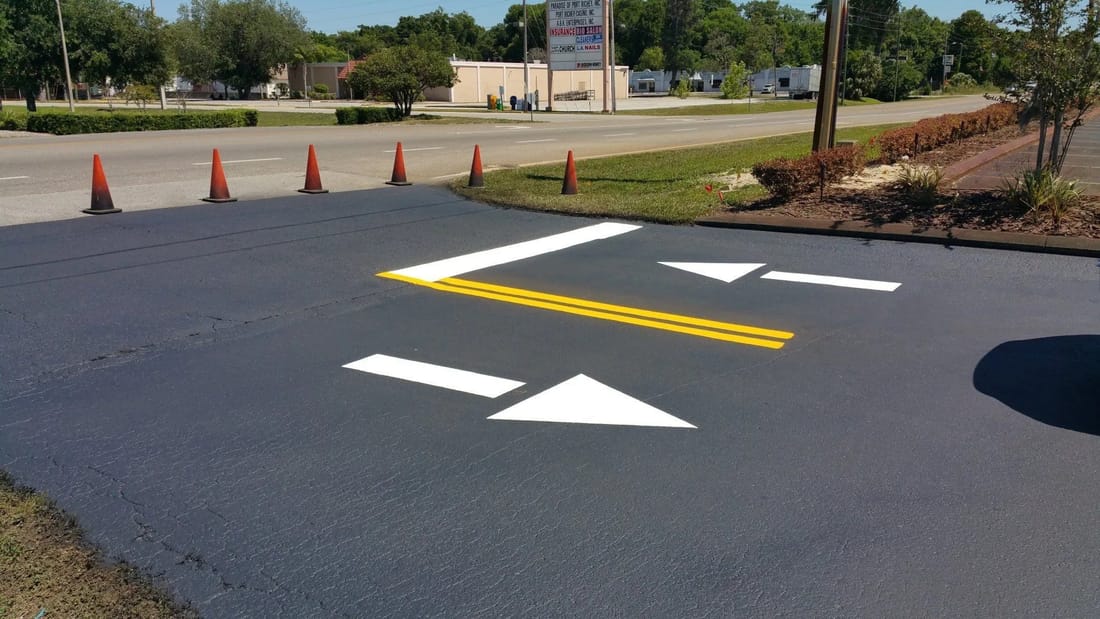
Clear, Compliant Asphalt Striping in Boston, MA
If your parking lot lines are faded, confusing, or just plain missing, it does not just look bad. It can create liability issues and traffic headaches. Precision Asphalt Boston focuses on asphalt striping and pavement markings that look sharp, flow logically, and meet Massachusetts and Boston codes.
We handle everything from a few new parking stalls behind a three‑family in Dorchester to full re‑striping for large lots in Brighton, Quincy, and the North Shore. Our crew understands the quirks of Boston properties, like tight alleys, odd lot shapes, and mixed‑use buildings that stay busy seven days a week. We schedule our work around your peak hours, help you keep tenants and customers informed, and get in and out without turning your lot into a construction zone for days.
Our goal is simple. Put the right markings in the right place, make them last in New England weather, and keep you compliant with ADA, fire lane, and local zoning requirements so you are not dealing with fines or complaints later.
How Our Asphalt Striping Process Works
When Precision Asphalt Boston takes on an asphalt striping project, we start with a walk‑through of your property. We look at existing traffic patterns, bottlenecks, and any trouble spots your tenants or customers have mentioned. If you already have a layout, we measure it, verify stall widths, and check that drive aisles meet current standards. If you need a new layout, we sketch options on site and talk through pros and cons, like maximizing parking count versus creating wider, easier‑to‑navigate spaces.
Next, we prep the surface. Good striping depends on a clean, dry pavement. We use mechanical blowers and steel brooms to remove sand, leaves, and loose aggregate, and we scrape up any old, peeling paint that could cause new lines to flake. For oil‑soaked areas from leaky vehicles, we pretreat with an oil‑spot primer so the new markings will bond instead of lifting within a season.
Once the surface is ready, our crew snaps chalk lines or uses laser guides for straight reference marks. We then set our striping machine to the correct line width, typically 4 inches for standard parking stalls and 6 inches for accessible spaces and fire lanes. We apply traffic‑grade pavement marking paint, either waterborne acrylic or low‑VOC solvent, depending on the project and time of year. Corners and tight areas are finished by hand with rollers or brushes for crisp edges.
For stencils such as arrows, stop bars, numbers, and ADA symbols, we position reusable aluminum or heavy‑duty plastic templates, tape them as needed, and spray in even passes to prevent drips and bleeding. Where more visibility is required, like at crosswalks and stop lines, we can apply high‑build markings and reflective glass beads. Throughout the job, we cone off fresh paint and post temporary signs so drivers do not track through the work before it cures.
Materials, Layout Options, and What Affects Cost
Every asphalt striping project is a bit different, and we like to walk Boston property owners through the choices that actually matter. The first is paint type. Waterborne acrylic paint is common and cures quickly in warmer months, which is perfect for retail lots in places like Roslindale or Somerville where you cannot afford long shutdowns. In cooler temperatures or high‑traffic entrances, we may recommend a more durable, fast‑drying solvent‑based paint as long as it meets local environmental rules.
Layout is the second big factor. Straight, single‑row lines in a simple rectangle cost less than angled parking with multiple islands and custom markings. Boston neighborhoods often have odd‑shaped parcels, so we use angled or combination layouts to fit more stalls without creating impossible turns for SUVs and delivery trucks. We can stripe standard stalls, compact spaces, loading zones, EV charging spots, and timed visitor parking, each with different colors and labels if needed.
Cost is driven by total linear feet of striping, number and type of stencils, condition of your asphalt, and whether the job is a fresh layout or a re‑stripe over existing lines. Heavily cracked or alligatored pavement may need patching or sealcoating before new markings make sense, otherwise your fresh lines will break apart along with the asphalt. Night or off‑hours work, which many downtown Boston garages require, can add to cost but often pays off in reduced disruption.
We break our estimates into clear line items: stall striping, specialty markings, curb painting, and any surface prep beyond standard cleaning. That way you can see where every dollar goes and decide where to invest in upgrades like extra directional arrows or numbered stalls for assigned parking.
Local Compliance, ADA, and Boston‑Specific Details
In Boston and surrounding Massachusetts communities, pavement markings are not just about convenience. They are tied to building codes, fire regulations, and ADA accessibility rules. Precision Asphalt Boston keeps these requirements front and center when planning your asphalt striping.
For accessible parking, we follow the stricter of ADA and Massachusetts Architectural Access Board (MAAB) standards. That means correct counts based on total spaces, proper stall and access aisle widths, and the required blue and white striping pattern. We install ADA symbols, van accessible wording where required, and ensure access aisles connect to curb ramps without forcing wheelchair users into traffic lanes.
Fire lanes in Boston are another critical piece. If your property has designated fire access, we mark it as FIRE LANE NO PARKING in high‑visibility red and white or yellow, depending on the jurisdiction and any fire department preferences you already follow. We keep hydrants, standpipe connections, and loading dock edges clearly marked so emergency vehicles have the clearance they need.
Many commercial properties must also meet zoning and site plan requirements that specify the number of stalls, compact ratios, and directional flow. If you have approved plans from the city or your engineer, we match our striping exactly to those documents. For smaller properties without plans, we design layouts that align with common Boston practices and can coordinate with your property manager or condo association to get sign‑off before we paint.
We also keep an eye on snowplow practicality. Since Boston winters are tough, we design markings and traffic patterns that plows can follow without grinding off your lines in one season. On lots with heavy winter maintenance, we may suggest bolder lines and more frequent re‑striping, or pairing striping with signage and wheel stops so traffic patterns remain clear even when snow covers part of the pavement.
Maintenance, Re‑Striping, and Working Around Your Schedule
Fresh asphalt striping is not a one‑time event. With New England sun, snow, and salt, even the best markings in Boston typically last 2 to 3 years before they start to fade, sooner in very busy retail centers. Precision Asphalt Boston builds long‑term maintenance plans so your parking lot never gets to the point where customers are guessing where to park.
We recommend a simple routine. Walk your lot at least twice a year, in early spring and late fall, and look for lines that are faint at night or disappear in the rain. Pay special attention to crosswalks, accessible spaces, stop bars, and arrows that control traffic. If those are hard to see, it is time to schedule re‑striping, even if regular stalls still look acceptable.
When we re‑stripe, we either repaint directly over the existing layout or, if your traffic needs have changed, we redesign at the same time. For example, a South Boston condo might convert a few standard stalls into an EV charging area, or a small office lot might remove a little‑used dumpster pad and add a couple of new spaces. We can grind out conflicting markings where necessary so drivers are not confused by ghost lines.
We know Boston properties are rarely empty, so scheduling is flexible. Many of our striping projects happen in the evening, early morning, or on weekends. We help you plan temporary closures and directional routes so at least part of your lot remains usable. Typical drying times for most paints are 30 to 60 minutes to be walkable and 1 to 4 hours for vehicle traffic, depending on temperature and humidity. We leave you with simple instructions on when to remove cones and how to protect fresh markings from delivery trucks and plows during the first few days.
If you are not sure what your lot needs, we are happy to stop by, walk it with you, and give honest feedback. Sometimes a targeted refresh of key markings is enough. Other times, pairing new striping with crack repair or sealcoating gets you a lot more life and curb appeal out of the same asphalt surface.